Fish Finder Basics: How to Use Technology to Catch More Fish
Fish finders have transformed modern angling by utilizing sonar technology to identify fish and underwater structures. These instruments come with a variety of features that can greatly enhance fishing success. Learning how to utilize them correctly is essential for fishermen of every skill level. However, many users overlook essential aspects that can elevate their fishing experience. Investigating these features can contribute to more successful fishing outings and a greater appreciation of aquatic environments. What factors should anglers prioritize?
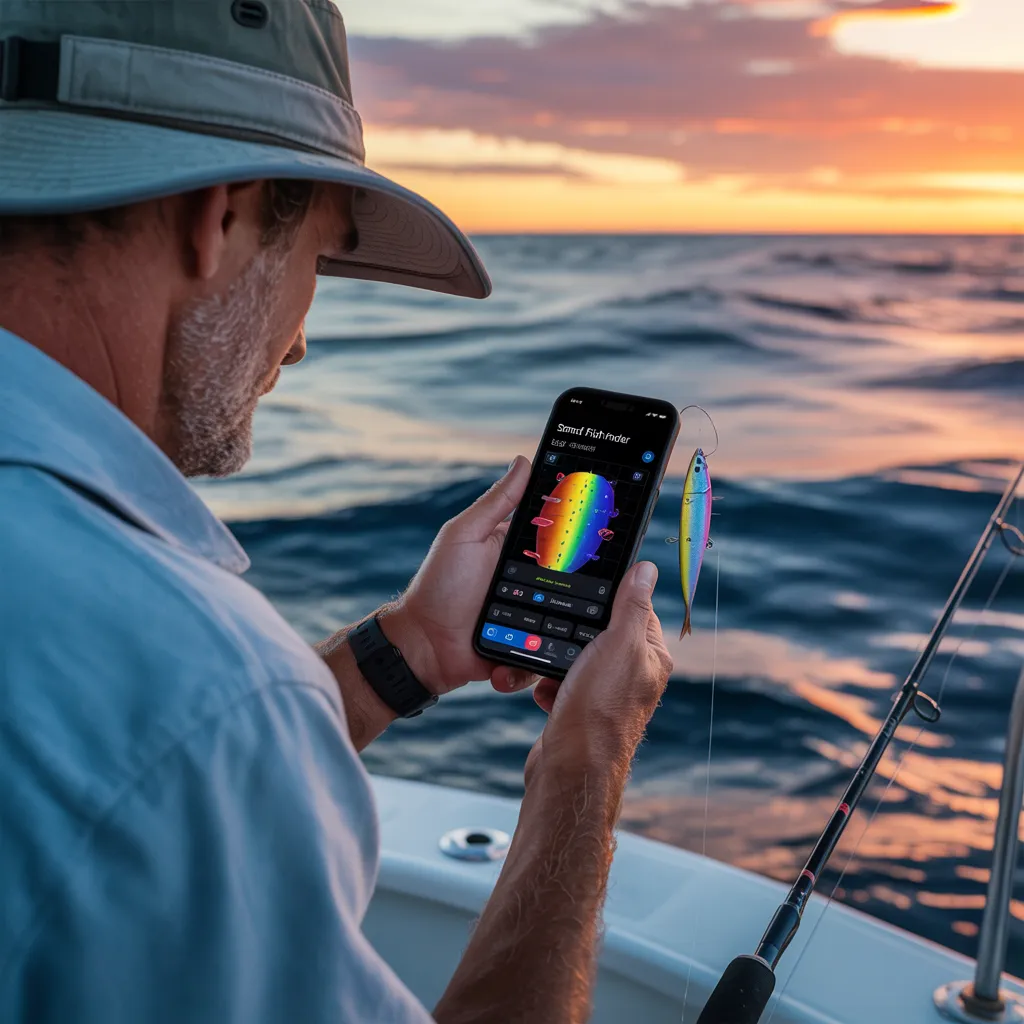
How Fish Finders Operate Using Sonar Technology
Fish finders use sonar technology to detect underwater structures and fish. This technology functions by essential information sending sound waves through the water, which reflect off objects and travel back to the device. The fish finder processes these incoming sound waves to create images of the underwater environment. Through this process, it can identify depth, water temperature, and the presence of fish or other obstacles.
Sonar units generally make use of two distinct sonar categories: traditional and CHIRP (Compressed High-Intensity Radiated Pulse). Standard sonar emits single frequency pulses, whereas CHIRP employs a spectrum of frequencies, delivering clearer images and superior target distinction. Fish finders can also differentiate between various types of fish according to their physical dimensions and form. Through the examination of these sonar returns, anglers can make informed decisions about where to cast their lines, enhancing their chances of a successful catch.
Key Features to Look for in a Fish Finder
When picking out a fish finder, two essential features to consider are screen size and transducer types. The screen size impacts clarity and usability, while the transducer type influences the reliability and coverage of sonar signals. Grasping these features can considerably elevate your overall fishing experience.
Screen Size Considerations
How significantly does screen size impact the usability of a fish finder? Screen size has a direct impact on the user experience, as bigger screens deliver enhanced visibility and easier interpretation of data. A more expansive screen helps anglers to see more detailed images of below-surface features, fish, and depths, making it easier to locate targets. Additionally, more expansive monitors often enable split-screen features, presenting various angles or data simultaneously, which optimizes decision-making in real-time. By contrast, compact displays may have difficulty maintaining clarity, particularly in bright sunlight or turbulent situations, leading to potential inaccuracies in data analysis. As a result, when choosing a fish finder, evaluating screen dimensions is vital in ensuring effective navigation and fishing success. A compromise between screen size and portability can maximize usability.
Understanding Transducer Types
Transducers serve as the heart of a fish finder, converting sonar signals into visual data that anglers rely on for effective fishing. They are available in several varieties, such as single beam, dual beam, and side-scan transducers. Single beam transducers are perfectly suited for shallow waters, offering concentrated depth readings. Dual beam units provide flexibility, merging narrow and wide beams for thorough bottom mapping. Side-scan transducers are outstanding at covering expansive areas, exposing underwater structures and fish positions with precision. Key features to evaluate include frequency, beam angle, and installation type, such as transom-mounted or through-hull options. Recognizing these varieties and characteristics enables fishermen to choose the most appropriate transducer, improving their fishing experience and effectiveness.
How to Analyze Fish Finder Readouts Effectively
Understanding the intricacies of fish finder outputs can significantly improve fishing success. Proper analysis begins with recognizing key factors such as bottom structure, depth, and fish arches. Depth readings indicate how far the fish are from the surface, while fish arches signify the existence and magnitude of fish. The sharpness of these arches can expose their activity level—sharply defined arches point to active fish, while unclear ones may suggest inactivity.
Moreover, understanding the underwater terrain is crucial; it can reveal the kinds of habitats found there, such as rocky zones or plant life, which commonly attract fish. Changes in color and shading on the screen can also indicate varying bottom materials. By gaining knowledge of these features, those who fish can make educated choices about fishing methods and spots, effectively boosting their probability of landing fish. Understanding readouts transforms this technology from a simple tool into a competitive advantage on the water.
Proven Strategies for Maximizing Your Fish Finder's Effectiveness
Maximizing the effectiveness of a fish finder involves a strong understanding of sonar technology and its applications. Properly adjusting settings can considerably improve the clarity of results, while understanding fish movements is vital for effective angling. Combined, these approaches can result in more productive outings on the water.
Exploring Sonar Technology
Although many anglers depend on fish finders to improve their fishing experience, the performance of these instruments primarily relies on a strong comprehension of sonar technology. Sonar, known as Sound Navigation and Ranging, makes use of sound waves to locate underwater objects, including fish. A transducer releases sound pulses that rebound from objects and come back to the unit, producing visual images of what is found beneath the surface. Understanding the differences between traditional 2D sonar and advanced 3D imaging can greatly impact an angler's ability to locate fish. Additionally, recognizing how factors such as water temperature and depth affect readings helps anglers interpret data accurately. Essentially, a thorough familiarity with sonar technology allows anglers to make educated decisions during their fishing endeavors.
Adjusting Settings Properly
To maximize the effectiveness of a fish finder, fishermen need to make the right setting adjustments. Key adjustments include frequency selection, depth range, and sensitivity. Choosing the correct frequency can enhance clarity; higher frequencies provide detailed images, while lower frequencies cover broader areas. Setting the appropriate depth range guarantees relevant data is displayed, preventing clutter from deeper waters. Modifying sensitivity levels helps anglers eliminate background noise and enhance signals, allowing for more accurate fish detection. Additionally, utilizing features such as zoom and color palettes can further refine the display, supporting clearer on-screen interpretation. Periodically updating these settings according to evolving conditions and locations is crucial for enhancing the fish finder's capability and improving overall fishing success.
Interpreting Fish Patterns
Recognizing fish behaviors can greatly enhance the success rate of a fish finding device. Through identifying seasonal fish behaviors, fishermen can determine fish positions and improve their fishing techniques. For instance, fish often congregate around structures such as rocks and submerged logs, particularly during active feeding periods. In addition, fish activity is heavily influenced by water temperature; fish species are drawn to certain temperature ranges. Monitoring weather patterns, including cloudy skies or shifts in barometric pressure, can additionally reveal important information about fish activity. When using a fish finder, fishing enthusiasts should search for groups of fish and record the depth at which they appear. Behavioral movement trends, such as fish migration patterns or feeding frenzy behavior, can be used to identify optimal casting locations. In the end, understanding these patterns can translate into more rewarding fishing experiences.
Avoid These Common Fish Finder Mistakes
Making sense of the waters of fish finder technology can be intimidating, especially for those just starting out. Many anglers make typical blunders that hinder their success. A common mistake is failing to adjust the device settings according to different water conditions. Ignoring the importance of frequency and sonar sensitivity can cause anglers to miss valuable opportunities.
A typical pitfall is depending entirely on the device without comprehending the information it provides. Effective use of a fish finder requires analysis of the data shown, not just unquestioned reliance on the device. Moreover, overlooking the regular upkeep of the fish finder—such as inspecting connections and cleaning the transducer—can lead to unreliable data.
Additionally, incorrect boat placement can alter data, creating doubt about the whereabouts of fish. By steering clear of these mistakes, fishing enthusiasts can optimize their experience and maximize their potential for a rewarding catch. Embracing knowledge and proper technique will ultimately lead to more productive fishing trips.
The Best Time to Buy a Fish Finder?
At what point should an angler consider purchasing a fish finder? The decision often copyrights on several factors. To begin with, the time of year plays an important part; many anglers find that purchasing a fish finder before the fishing season begins can enhance their experience. Beyond that, anglers would do well to reflect on their current abilities. Novice anglers could gain an advantage by investing in a fish finder earlier to strengthen their confidence and refine their skills.
Financial planning is another important aspect; investing in a fish finder during sales events, such as annual sales events or spring clearances, can yield significant savings. Moreover, if an angler frequently explores unfamiliar waters, having a fish finder can provide valuable insights, making it a smart financial decision. Ultimately, the right moment to buy varies, but knowledge of specific needs and current promotions will assist anglers in arriving at a thoughtful conclusion that suits their fishing aspirations.
Questions Our Clients Often Ask
Do Fish Finders Work in Both Freshwater and Saltwater?
Sonar fish finders perform exceptionally well in a variety of aquatic environments, including freshwater and saltwater. Their adaptable nature enables fishermen to identify fish in diverse fishing conditions, making them indispensable assets for improving the overall fishing experience regardless of the water type.
How Do I Maintain My Fish Finder for Longevity?
To guarantee long-lasting performance, routinely clean the transducer and screen, shield the unit against harsh temperatures, keep it stored correctly when not in use, and update software as needed to preserve peak performance and functionality.
What Is the Average Lifespan of a Fish Finder?
The standard lifespan of a fish finder generally falls between five and seven years, depending on usage, maintenance, and environmental conditions. Routine maintenance and updates can enhance its functionality and performance beyond the typical lifespan.
Are There Fish Finders Specifically for Ice Fishing?
Absolutely, there are fishing devices specifically created for ice fishing. Such equipment typically feature advanced sonar functions and are manufactured to resist freezing conditions, offering precise readings below the ice for productive fishing during winter months.
Can I Use My Smartphone as a Fish Finder?
Yes, a smartphone can be used as a fish detection tool. A range of applications and compatible sonar accessories help anglers map out underwater environments and locate fish, enhancing fishing experiences without requiring dedicated standalone fish finders.